
Tilburg: Apartments, Rooms, Studios and Houses for Rent
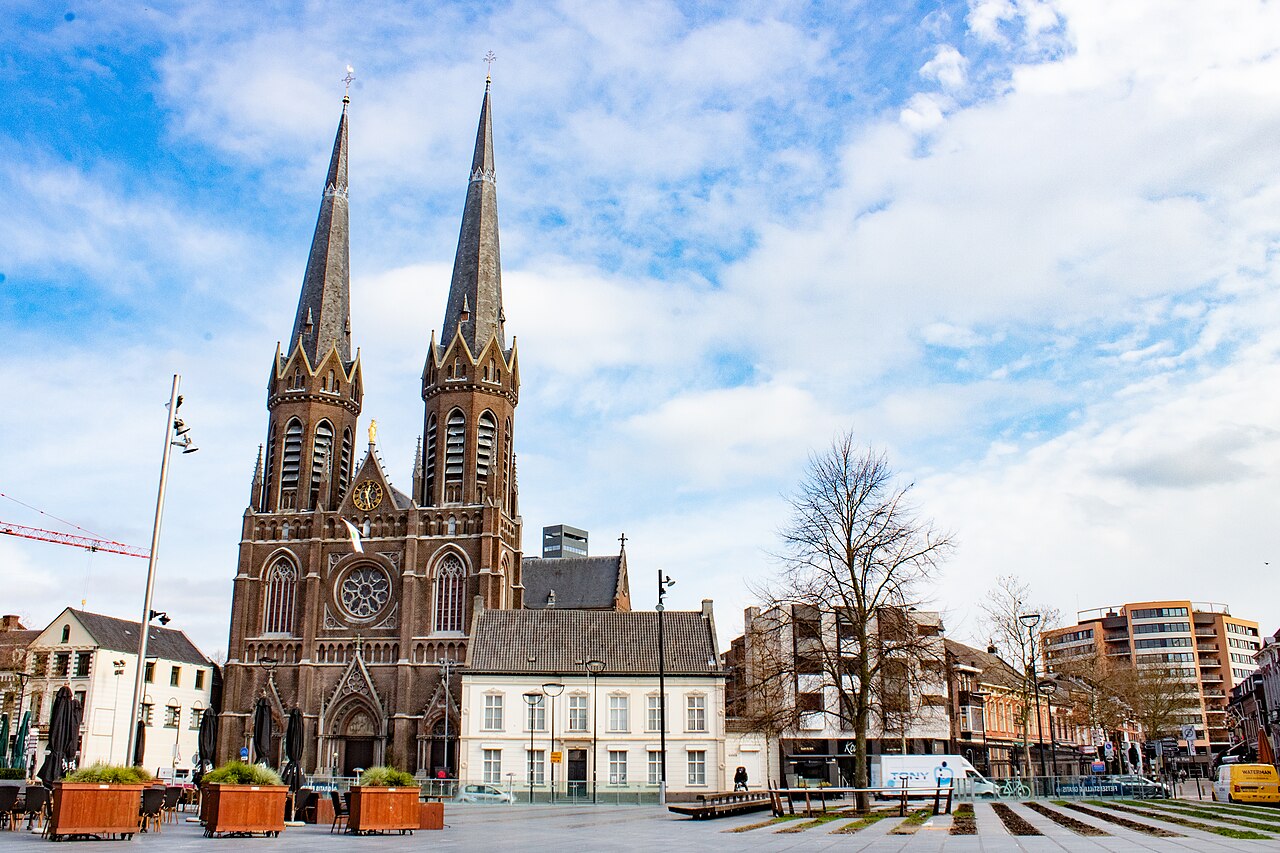
Source: De heuvel in Tilburg.jpg, CC BY-SA 4.0 via Wikimedia Commons
Apartments, Rooms, Studios and Houses for Rent in Tilburg
Tilburg does not look like a city that would give you trouble. It is flat, friendly, unpretentious, and cheaper than almost anywhere in the Randstad. Then you start looking for a room, and the friendliness stops at the front door of the housing market. Two large institutions empty their intake into the same streets every autumn, the city deliberately limits how many houses can be carved into rooms, and anything decent under a grand is gone before you have finished typing your introduction.
This is a former textile town that reinvented itself, and the rental market inherited both halves of that story: the old industrial fabric, and the university-and-culture city built on top of it. Tilburg University enrols roughly 19,500 students and leans hard into economics, law and the social sciences, with a large and growing international intake. Fontys University of Applied Sciences adds tens of thousands more from its campuses on the south edge of town. Drop all of that into a city of about 224,000 people and you get four separate scrambles happening at once: students after rooms, internationals after furnished studios, young professionals after apartments, and families after the newer houses out west.
Tilburg University is refreshingly blunt about the odds. In recent years only a minority of first-year international students managed to book a room through a preferred supplier, which is the institution’s polite way of telling everyone else to start searching the hard way, early. When the university itself is managing your expectations downward, believe it.
AnyHouse helps you search faster. We scan 400+ rental platforms, send fast alerts when matching homes appear, help you track listings, and can help you apply to suitable rentals based on your preferences.
Tilburg rentals: the short version
- What things cost: a room averages around €450/month, a studio around €700, and a one-bedroom apartment around €1,150. Ranges run wide on either side, and rooms have been climbing.
- Red flag one: a landlord who cannot arrange a viewing because they are abroad and wants money before any contract or key handover.
- Red flag two: a listing that is priced well below everything comparable, especially one that also turns up “for sale” on Funda or asks for payment by gift card or crypto.
- Do this first: if you are a first-year international, note the Tilburg University reserved-room booking date the moment you are admitted, and start a saved search on the private market at the same time.
- Before you sign: run the address through the Huurcommissie rent check to see whether the asking rent is even legal (details further down).
Fresh rentals in Tilburg
Listings matched to your location and budget
 Apartment
 Apartment
 Apartment
 Apartment
Your next Tilburg rental might appear today.
AnyHouse helps you see it faster.
Get instant rental alerts in Tilburg
Current Tilburg Rental Market
The shortage here is not abstract. Gemeente Tilburg counts a gap of more than 4,500 rental homes, and the part that hurts most is the affordable end: anything advertised under €1,000 a month is effectively let on sight. Meanwhile the two universities keep the top of the funnel full, and student room prices have been climbing rather than holding, so the “cheap city” reputation is doing some heavy lifting it can no longer fully support.
Public rent figures often disagree with each other, and that is not a source lying to you. It is each platform measuring a different slice of stock: furnished mid-term lets, live private listings, rooms, studios or agency inventory. HousingAnywhere, Pararius and Kamernet can all quote different averages for the same city because they are quietly counting different homes. One useful local wrinkle: a hospita room, rented from a resident owner living in the same house, tends to run noticeably cheaper than a standard student room, often by tens of euros a month, in exchange for sharing space with your landlord.
So work in ranges, and treat each property type as its own market. A room in Korvel, a furnished studio near the Spoorzone, a one-bedroom in the Binnenstad and a family house in the Reeshof have separate prices, separate timelines and separate levels of competition. Bundling them into one “Tilburg average” tells you almost nothing useful.
| Property type | Average rent | Typical range | Best for |
|---|---|---|---|
| Room | €450/month | €400-700/month | Students / budget renters |
| Studio | €700/month | €650-1,100/month | Solo renters / internationals |
| Apartment | €1,150/month | €900-1,600/month | Couples / professionals |
| House | €1,700/month | €1,400-2,600/month | Families |
These are market ranges gathered from public rental sources. For the most current figures, use the live AnyHouse Tilburg data on this page, which reflects what is actually available today rather than a blended historical average.
Tilburg is still genuinely cheaper than Amsterdam or Utrecht, which is exactly why the room market never gets a quiet season. It also sits in the middle of one of the best rail corridors in the country: the Intercity Direct runs twice an hour on the Den Haag - Rotterdam - Breda - Tilburg - Eindhoven line, so nearby cities compete for the same renters you do. That makes commute time, registration, contract quality and transport links matter as much as the headline rent.
What Makes Tilburg Different: Wool Town, Rewired
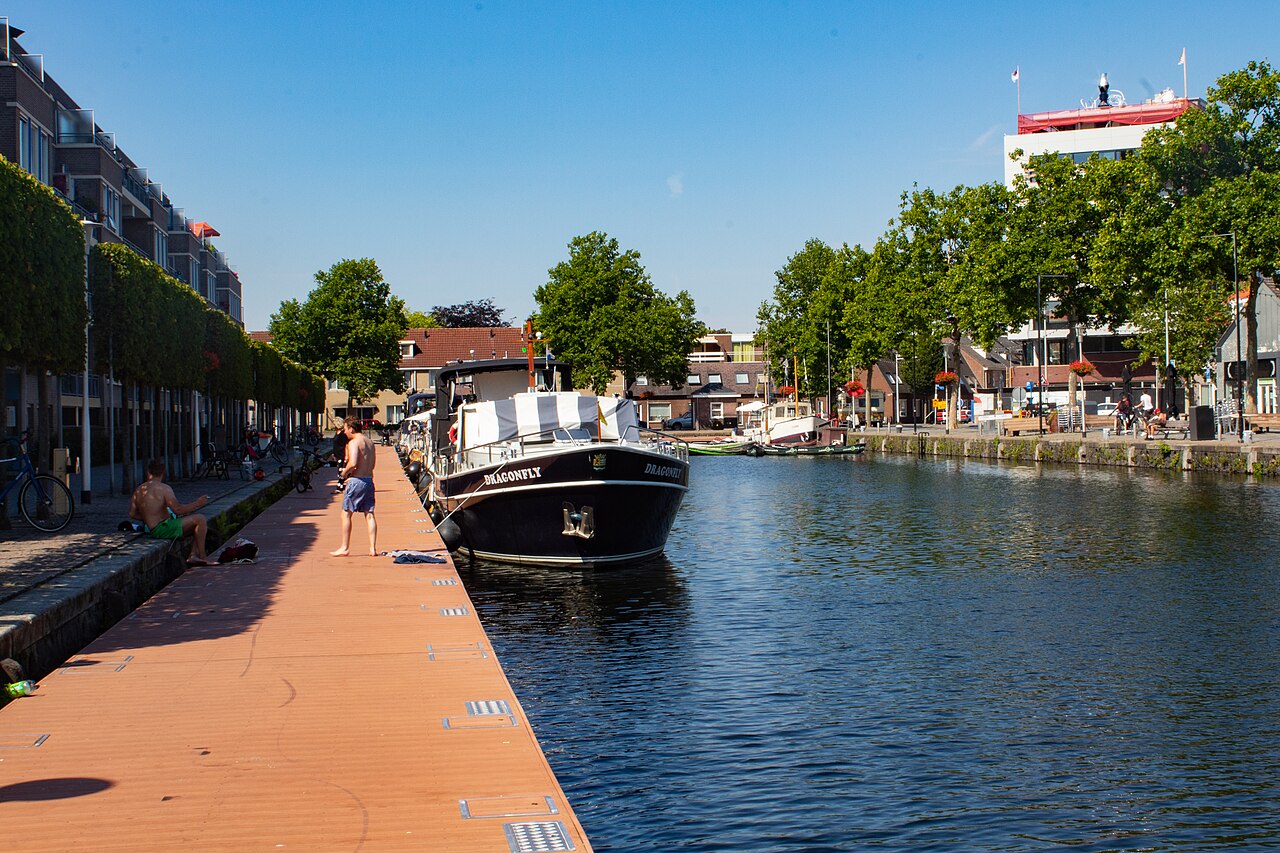 Source: De Piushaven in de zomer van 2020.jpg, CC BY-SA 4.0 via Wikimedia Commons
Most rental guides announce that the market is tight and move straight on. Tilburg deserves the specifics, because the specifics are what let you read the map. For a century this was a wool town. The mills closed, the city could have quietly declined like a dozen others, and instead it spent the last decade turning its industrial carcass into the reason people now want to move here. Where the factories were tells you where the new homes are going.
The Spoorzone and LocHal moved the centre of gravity
The old railway workshops next to the central station were redeveloped into the Spoorzone district and the LocHal, a former locomotive hall reborn as an award-winning public library and the city’s unofficial living room, complete with the free student study space in the nearby Deprez building. Add the TextielMuseum and the Piushaven waterfront, and the desirable side of Tilburg has swung decisively back toward the station. Handy for renters, given the station is where the trains and the newest apartments both happen to be. Around 2,100 new homes are planned for the Spoorzone alone.
The Kenniskwartier: 7,500 homes are coming, just not this September
The largest inner-city project in the city’s history is the Kenniskwartier, the zone between Ringbaan-West, Professor Cobbenhagenlaan, the university campus and Stadsbos013. The government tagged it a NOVEX large-scale housing area, targeting roughly 7,500 new homes and 7,500 jobs over time, with about 5,000 homes in a first phase running to 2030 and a rebuilt Tilburg Universiteit station in the plans. For anyone renting in 2026 the honest takeaway is patience: this is where supply eventually loosens, but a building site does not house you next month.
The room-conversion permit (omzettingsvergunning) is why rooms are scarce
Turning a normal house into rented rooms in Tilburg needs a conversion permit whenever three or more people share it as non-independent rooms, and the city refuses one if a room-rental property already sits within 50 metres (25 metres inside the designated commercial streets). It costs almost €695, the applicant must be full owner, and the council takes up to eight weeks to decide. The practical result is that shared-room supply is capped by design and thinly spread across the city, which is a large part of why the room queue is what it is.
First-year internationals get a narrow shot at reserved rooms
Tilburg University reserves a limited block of rooms for incoming first-year internationals through partners like SSH. The flagship is Talent Square, four connected buildings on Hart van Brabantlaan a few minutes from the central station, with 455 studios and 250 rooms, of which the 250 rooms are set aside for first-year international students on short-stay terms. Access opens on a fixed timetable, demand dwarfs supply, so the booking date belongs at the very top of your list the moment you are admitted. Miss the window and you join the private market with everyone else.
Wool gave way to insurance, not just libraries
The university explains part of Tilburg’s rental pressure, but the city’s other big employer has nothing to do with textiles or libraries. Interpolis, part of the Achmea insurance group, has its headquarters on Spoorlaan, a short walk from the Spoorzone, and health insurer CZ is also headquartered in the city. Between them they employ thousands of office and claims staff who compete with graduating economics and business students for the same one-bedroom apartments near the centre, which is worth knowing before you assume every applicant queueing behind you is twenty-two and studying finance.
Not just a student town: who else pays the rent
Tilburg employs as well as educates, which keeps the professional and family markets busy year-round rather than only in September. The insurer Interpolis (part of Achmea) and the health insurer CZ, on Ringbaan West, are major white-collar employers; the ETZ hospital, known nationally for trauma care and neurosurgery, runs two Tilburg sites; and industry still holds on, from Fujifilm Manufacturing Europe on the edge of town to chemical maker IFF. That mix is why a two-bedroom apartment in a good area does not sit around waiting for students to graduate.
Rooms, Studios, Apartments and Houses in Tilburg
Most Tilburg renters land in one of four buckets: a room, a studio, an apartment or a house. The useful question is not only which you want, but which you can realistically get inside your budget and your timeline, because in this city those two rarely shake hands on the first try.
Rooms for Rent in Tilburg
Rooms are the default for students, exchange students and anyone renting on a tight budget. If you rent a room in Tilburg, expect shared facilities: a kitchen, a bathroom, sometimes a living room. Demand spikes viciously around the academic intake, when the combined new arrivals of Tilburg University and Fontys hit the same streets in the same fortnight before September.
Because of the conversion-permit rules above, room supply is limited and clustered. The traditional student pockets are Oud-Noord, especially the Theresia neighbourhood a short cycle from campus, and Oud-Zuid around Korvel, with Broekhoven a quieter value option that regulars keep fairly close to their chests. Always check whether you can register at the address. Skipping registration can snarl your BSN, bank account, work, study and municipal paperwork, and you are legally required to register a Dutch address once you are here for more than four months.
Fresh rooms in Tilburg
Rooms matched to your location and budget
 Room
Room Room
Room Room
Room Room
Room Room
Room Room
Room Room
Room Room
RoomStudios for Rent in Tilburg
A studio in Tilburg is normally self-contained: your own living and sleeping area, bathroom and kitchen. Studios suit solo renters, internationals, PhD candidates and students with a slightly bigger budget who want a door that locks on their whole life rather than just their bedroom. The catch is that a great many people want precisely that, so self-contained studios under €800 evaporate fast, particularly the furnished ones near the Spoorzone and Broekhoven.
Furnished studios cost more but spare you the move-in logistics. Unfurnished or semi-furnished ones can be cheaper upfront and then quietly demand furniture, flooring, curtains or appliances. Huurtoeslag (rent benefit) may apply if the studio qualifies and you meet the income and asset tests. From 2026 the rules shifted: the hard rent ceiling was scrapped, the benefit is now calculated on rent up to about €932.93, and the qualifying age dropped to 21, so always confirm on the official Belastingdienst rent benefit page.
Fresh studios in Tilburg
Studios matched to your location and budget
 Studio
 Studio
 Studio
 Studio
 Studio
 Studio
 Studio
 Studio
Apartments and Houses for Rent in Tilburg
Couples, professionals and small families make up most of the demand for Tilburg apartments, and this is where Tilburg’s employers keep the market warm. A one-bedroom is already competitive; two-bedrooms draw couples, sharers and relocation clients from Interpolis, CZ, the ETZ and the wider Brabant region. Furnished apartments are common in the expat-facing stock, while semi-furnished lets may throw in the basics like flooring, curtains and kitchen appliances.
When you read an apartment listing, check whether the price is bare, inclusive or exclusive. Bare rent (kale huur) leaves out utilities and service costs. Inclusive rent may cover some of them, rarely all. Get past the headline number before you get attached, because the all-in figure can land a couple of hundred euros higher than the one in the ad.
Houses for rent are rarer than apartments and tend to sit in the outer neighbourhoods, above all the Reeshof, with more scattered through Goirke and villages like Berkel-Enschot. They suit families, groups or long-term renters, and come with higher rent, higher utility bills and stricter income checks.
Fresh apartments & houses in Tilburg
Apartments and houses matched to your location and budget
ApartmentApartmentApartment ApartmentApartment
 Apartment
 Apartment
 Apartment
Best Areas in Tilburg for Renters
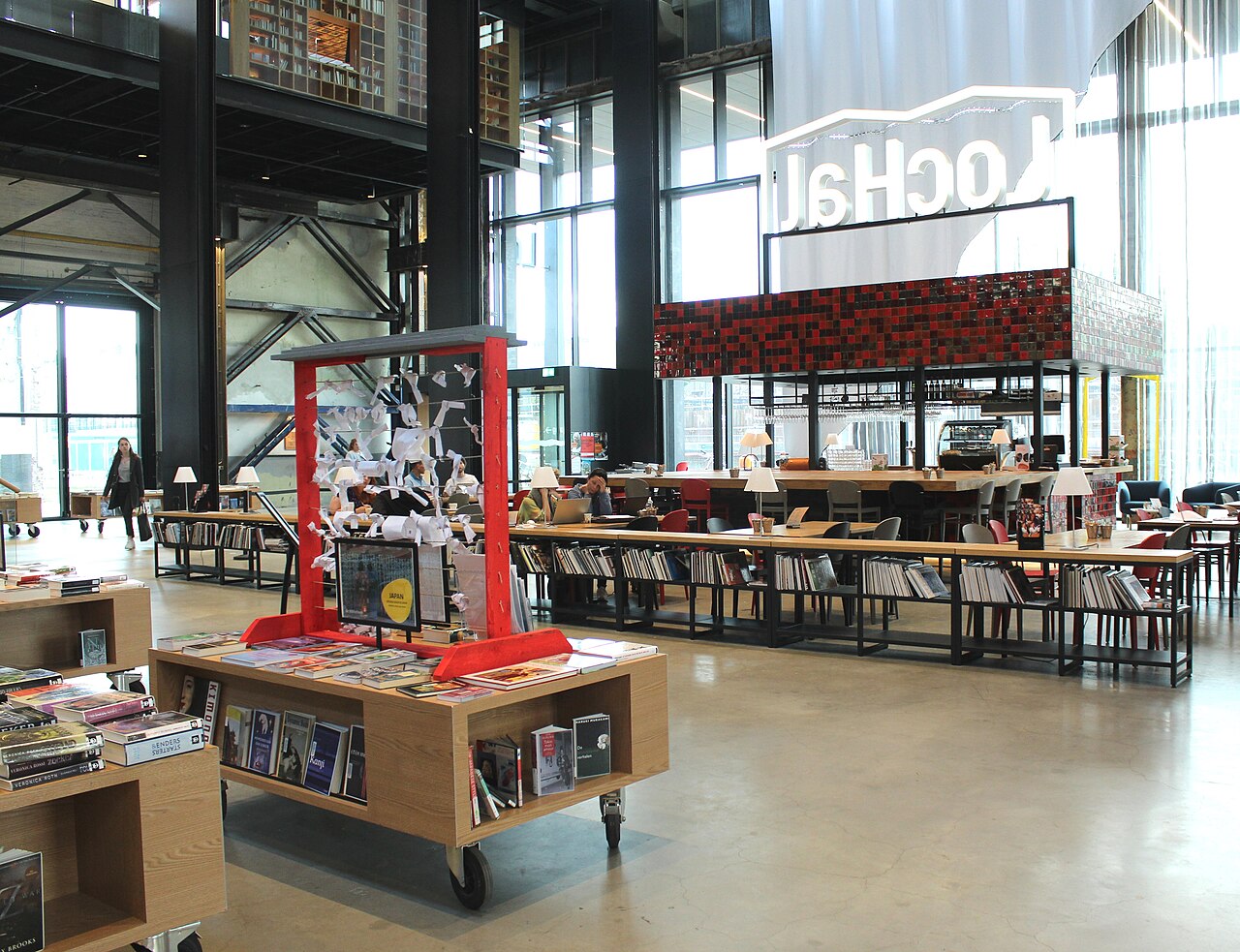 Source: LocHal 20190606 - 02.jpg, CC BY-SA 4.0 via Wikimedia Commons
Tilburg is wider than it feels, and it is emphatically not one market. A furnished studio by the Spoorzone, a student room in Korvel and a family house in the Reeshof are three different searches with three different budgets. The neighbourhood you pick sets your rent, your commute and how large a crowd you are fighting for the same key.
Binnenstad and the Spoorzone
Best for: renters who want to walk to everything and can pay for the privilege.
Typical rentals: newer apartments, studios and furnished units around the station and the reborn railway zone.
Watch out for: premium prices, smaller footprints, and Saturday-night noise near the Heuvelstraat shopping and bar strip.
This is the heart of the rewired textile city, with the LocHal, the TextielMuseum and the Piushaven waterfront on your doorstep and two trains an hour to Rotterdam. Ideal if you want the library as your living room and can absorb the station-side premium.
Oud-Zuid: Korvel and Broekhoven
Best for: students, young renters and anyone chasing value a short cycle from campus.
Typical rentals: rooms, older apartments, converted townhouses; simpler and cheaper toward Broekhoven.
Watch out for: the most contested room market in the city, listings that vanish within the hour around intake.
Just south-west of the centre, walkable and lined with independent shops along the Korvelseweg, this is student-and-starter heartland, though families, professionals and a large international community live here too, so it is a mix rather than a bubble. Broekhoven, one street further out, is the quiet value pick. Great character, unforgiving timing.
Oud-Noord: Theresia and the Hoefstraat
Best for: students who want a room within cycling distance, plus couples after older-city charm.
Typical rentals: shared houses and rooms in Theresia, terraced homes and some apartments around the Hoefstraat.
Watch out for: strong student demand in Theresia keeps the good rooms moving fast.
North of the tracks, Theresia has long been a student favourite for a reason: some of the lowest rents you will find inside a comfortable bike ride of the university. The wider Oud-Noord keeps a lived-in, unglossy feel that plenty of renters prefer to a polished new-build.
Goirke
Best for: couples, families and renters who want space without leaving the city.
Typical rentals: older family houses, terraced homes, some apartments.
Watch out for: quieter and greener, but thin free-sector stock that changes hands quietly.
North of the centre with a settled residential feel and schools nearby, Goirke is the sensible middle ground between central prices and suburban breathing room.
Reeshof
Best for: families and renters who prize modern space over being central.
Typical rentals: newer family homes with gardens and larger apartments, including fresh builds like the Reeshofdijk development completing around 2027.
Watch out for: the furthest district from campus and centre, so you lean on the bike, the bus or Tilburg Reeshof station.
Large, planned and green, with schools and sports facilities designed into the district and its own train stop. If your search is not glued to the centre, the Reeshof offers the kind of room the inner city cannot. Just budget the commute in both minutes and patience.
On livability it earns its family reputation honestly. This is Tilburg’s biggest district at roughly 42,700 residents, with a higher share of households with children than the city as a whole and a housing stock built largely for families. It is not spotless: night-time safety around the Reeshofpark drew resident complaints, which the council answered with brighter lighting and mobile camera surveillance, and a resident-run prevention network of around 160 volunteers works alongside the police across the neighbourhood. For a family, that combination of purpose-built space and active local upkeep is the draw.
The University Edge and Berkel-Enschot
Best for: students and staff who want to live beside campus, plus families after a village feel.
Typical rentals: student complexes and older apartments around Professor Cobbenhagenlaan; mostly owner-occupied houses in Berkel-Enschot.
Watch out for: Berkel-Enschot is largely owner-occupied, so free-sector rentals are scarce and go quickly.
Around Professor Cobbenhagenlaan you are on the university’s doorstep and squarely inside the future Kenniskwartier, while Berkel-Enschot to the east keeps its own church-and-shops character. Two different lives, both worth a saved search.
Nearby Alternatives: 's-Hertogenbosch, Breda, Eindhoven and the Villages
If Tilburg’s prices or availability refuse to cooperate, the upside of this address is that you are parked on the main Brabant rail line between three sizeable cities. Commuting here is genuinely realistic, rather than the theoretical kind you promise yourself and abandon by November.
- 's-Hertogenbosch (Den Bosch) - roughly 15 minutes by train, a larger market with more stock and a lively historic centre.
- Breda - about 15 minutes by train, plenty of listings at a comparable price level, well connected in both directions on the Intercity Direct.
- Eindhoven - around 25 minutes by train, the region’s tech hub with a large and fast-moving rental market.
- Oisterwijk - only about 6 minutes by train, leafy and calmer, popular with families and commuters.
- Waalwijk and Goirle - just outside the city by bus or car, often cheaper for houses and family space.
Use NS for trains (Tilburg has three stations: Tilburg, Tilburg Universiteit and Tilburg Reeshof), local Arriva and Bravo buses around the city, and 9292 to check any door-to-door journey before you commit. A listing photo is easy to fall for. A dark, wet January commute is harder to love.
What You Need to Rent in Tilburg
Build your rental profile before you apply, not after. The best rooms go to whoever shows up complete: payslips, guarantor, enrolment letter, all in one message.
Documents Landlords Usually Ask For
- Valid ID or passport
- Proof of income
- Employment contract or recent payslips
- Bank statements, sometimes
- Proof of enrollment, for students
- Guarantor details, if your income is low or foreign
- BSN, if already available
- Short personal introduction
- Preferred move-in date and household details
- Pet information, if relevant
Income, Deposit and Contract Basics
Many landlords want gross income around 3 to 4 times the monthly rent, though this shifts by agency and property. A €1,150 apartment can therefore call for roughly €3,450 to €4,600 gross monthly household income. Student and shared rentals will often take a guarantor instead. Deposits are usually one to two months’ rent.
The Government.nl rented housing pages cover the basics of Dutch rental rules, including rent, tenancy agreements, maintenance and service charges. For disputes, the Huurcommissie is the official Dutch rent tribunal. Before signing, check:
- Is the contract written?
- Is the rent bare, inclusive or exclusive?
- Are service costs clear?
- Can you register at the address?
- Is the deposit reasonable?
- Who is responsible for utilities?
- Are there agency or administration fees?
Registration in Tilburg
Move to Tilburg from abroad for more than four months and you must register with the municipality, as soon as you reasonably can after arrival. Gemeente Tilburg’s Verhuizen vanuit het buitenland (moving from abroad) page explains that you need an online appointment plus the completed “Vestigen in Nederland” questionnaire, along with a valid travel document for everyone registering. Partners and children have to complete the form and attend too.
Be wary of any listing that says registration is not possible. Combined with pressure, vague landlord details, unusual payment methods or a refusal to let you view, that is a textbook warning sign.
Rental Scams: Newcomers Are the Target
Tilburg’s student market, like every Dutch student city, draws rental fraud, and the university warns incoming students about it in plain terms. The script barely changes: a listing that is too good, a landlord who cannot show you around because they are conveniently overseas, a request for money before any contract or key exchange, then silence. Never pay by gift card or crypto, only transfer to a Dutch bank account belonging to the actual owner or organisation, and if a “for rent” property also shows up “for sale” on Funda, walk away.
New to the Netherlands? Start Here (Students & Internationals)
Tilburg is one of the most international student cities in the country, so a large share of its renters land here with no Dutch paperwork at all. If that is you, the first thing to grasp is the chicken-and-egg problem that catches almost everyone.
The chicken-and-egg problem
To register with the municipality and get a BSN (your citizen service number), you usually need a registered address. To open a full Dutch bank account, life is easier with a BSN. And many landlords want to see a Dutch income, a Dutch guarantor or both before handing over a contract. Every requirement leans on one of the others. It is genuinely circular, and the only way through is to accept that you will do some of it out of order.
What you can do from abroad right now:
- Line up your documents in English or Dutch: passport, proof of enrolment or your employment contract, and recent proof of income or funds.
- Ask specifically about registration. Only take a room where you can register at the address, because registration unlocks the BSN, and you are legally required to register once you are here for more than four months.
- Sort out a guarantor plan. With no Dutch income, expect to provide a third-party guarantor, use a paid guarantor service, or pay several months of rent upfront. Confirm which the landlord accepts before you commit.
- Look at short-stay and semester contracts. Student housing and short-term furnished lets are among the limited cases where a fixed-term contract is still allowed, which makes them realistic first landings while you find something longer.
- Check the community channels. ESN Tilburg, the Tilburg University and Fontys housing pages, and the student Facebook and WhatsApp groups regularly carry rooms, sublets and flatmate searches. These are legitimate, useful routes, not a sign you have given up.
Paying a deposit safely, and getting it back
Pay a deposit only once you have a written contract, and only to the verified bank account of the actual owner or a recognised organisation. Never send a deposit by gift card, crypto or to a private account for a home you have not seen. A deposit is normally one to two months’ rent, it should be written into the contract, and it must be returned after you leave once any genuine damage is settled. If a landlord refuses to return a reasonable deposit, the Huurcommissie can rule on deposit and rent disputes.
Arriving without housing
It happens, particularly around the September crush. If you land without a permanent room, a short-stay apartment, a student hotel or a hostel buys you time to view places in person, which is far safer than committing to a room sight unseen from another country. Treat it as a deliberate landing pad, not a defeat, and keep your saved
A simple timeline:
- Now: gather documents, arrange a guarantor or upfront-payment plan, start saved searches and alerts, and note any university reserved-room deadline.
- Before you fly: book a short-stay landing pad if you have not secured a room, and shortlist viewings you can attend in your first week.
- First 5 days: view in person, sign only a written contract, and pay the deposit only to a verified account.
- First month: register with Gemeente Tilburg, collect your BSN, open a Dutch bank account, and run the Huurcommissie rent check on your new address.
Budget for the upfront hit. A typical move-in on a €700 studio means roughly €700 first month’s rent plus a deposit of one to two months (€700 to €1,400), so plan for somewhere around €1,400 to €2,100 before you even think about furniture, and more if a landlord asks for several months upfront in place of a guarantor.
Renting as a Family / Relocating with Kids
Tilburg works well for families who want more space than the Randstad grants for the money, but the family rental market is smaller and slower than the student one, so early planning pays off.
The neighbourhood profiles higher up already point to where that space sits: the Reeshof out west, plus Goirke and village-flavoured Berkel-Enschot. The income maths from the documents section scales up with the rent too. Apply the same 3-to-4-times-rent test to a €1,700 family house and a landlord will want to see roughly €5,100 to €6,800 gross a month, comfortably above the single-earner and student budgets most room listings quietly assume.
Schools: register early, expect waiting lists
For international primary education inside the city, Tilburg has Kindcentrum Klinkers (part of Xpect013), which runs an English-language International Baccalaureate Primary Years Programme and is the only IB World School in public education in Noord-Brabant, and Kindcentrum De Wegwijzer in the Reeshof, which teaches the International Primary Curriculum. For newly arrived teenagers who do not yet speak Dutch, the Internationale Schakelklas (ISK) at secondary level, run locally through SKILLS vmbo, bridges students into the Dutch system over roughly two years. For a full international secondary school with the IB Diploma, the nearest options are International School Breda (ages 4 to 18) and International School Eindhoven (ages 3 to 18), both a short train ride away. Places at all of these are limited, so register as early as you can and expect a waiting list rather than a same-term start.
International schooling is not the default here, though, and for many families it is not the affordable one. A full international place carries real tuition: International School Eindhoven, one of the nearby IB options named above, lists roughly €6,400 a year at primary and about €8,200 to €9,050 at secondary for 2025-26, plus a one-off registration fee. Most children in Tilburg instead attend the regular Dutch-track schools, which are state-funded and charge no tuition, only a genuinely voluntary parental contribution that averages around €40 to €50 a year nationally. The Xpect013 foundation alone runs about 26 primary schools across the city, several inside the Reeshof itself, such as De Sporckt and De Bloemaert. The language takes longer to click than in an English-language stream, but for a family weighing thousands in tuition against a few tens of euros, it is the sensible baseline rather than a second-best.
Childcare and BSO
For younger children, daycare (kinderopvang) and after-school care (buitenschoolse opvang, or BSO) are widely used but heavily subscribed. Register well ahead of your move, because popular locations fill months in advance, and check whether you qualify for the national childcare allowance (kinderopvangtoeslag), which reimburses a large share of the cost for working parents.
What a family home actually costs per month
Rent is only the opening figure. A worked example for a €1,700 family house: add gas, electricity and water at roughly €250 to €350 a month depending on the energy label (a poorly insulated older house can cost far more to heat than a modern one, so the label is a real budget line, not a formality), plus municipal and water-board taxes (gemeentelijke belastingen and waterschapsbelasting) that run a few hundred euros a year, plus internet and any service costs. All in, budget somewhere around €2,000 to €2,150 a month for that €1,700 house before childcare or schooling.
Contracts: indefinite is now the default
Good news for families who want to put down roots. Since 1 July 2024, under the Fixed-Term Tenancy Act (Wet vaste huurcontracten), an indefinite contract (onbepaalde tijd) is again the default for most new self-contained tenancies, and temporary contracts are only allowed in a limited set of cases such as student housing, a landlord’s temporary absence or job-tied housing. An indefinite contract gives strong, lasting security: the landlord can only end it on specific legal grounds. If you are offered a temporary self-contained contract, ask why, because in most situations it should be indefinite.
Where the family stock is, and bridging the gap
Three-bedroom-plus houses with gardens are concentrated in the Reeshof out west, where projects like the Reeshofdijk keep adding new-build family homes, with more scattered through Goirke, Berkel-Enschot and nearby villages like Oisterwijk. To turn the price table into something concrete: around the €1,700 house average, a free-sector Reeshof rental typically buys a terraced or corner home with three bedrooms upstairs, a living room and semi-open kitchen on the ground floor, and a private garden or terrace, usually within walking distance of the Heyhoef shopping centre, local schools and the Reeshofpark. That is the price-to-space trade the district is built on: the same budget buys noticeably more room, and more outdoor space, than an equivalent rent nearer the station. Free-sector family houses are genuinely scarce and get taken quickly, so if you are relocating on a fixed date, a furnished short-stay or temporary apartment as a bridge is often the sane way to arrive, view properly and sign the right long-term lease rather than the first one available.
How to Find Rentals in Tilburg Faster
A manual search in Tilburg sprawls almost immediately. You are watching Pararius, Kamernet and HousingAnywhere by hand, keeping half an eye on the ESN Tilburg and university housing channels, and dropping into the city and student Facebook groups where landlords and outgoing tenants really do post rooms and sublets. Those community channels are legitimate and worth using. The problem is not any single one of them. It is that no human can refresh all of them fast enough, at the right minute, to beat everyone else running the same loop.
Why Manual Search Breaks Down
- You check too many platforms by hand
- You see listings too late
- You rewrite the same message over and over
- You miss listings while working, studying or sleeping
- You lose track of where you applied
- Every intake, thousands of new students join the same hunt
- You waste time on listings outside your budget
Tilburg rewards speed and preparation, because two universities push the renter-to-room ratio hard every intake. When a good room appears, replies land within the hour. The queue here forms in minutes, not days, and it does not reopen for latecomers.
Faster Search with AnyHouse
AnyHouse helps you search faster by combining broader coverage, alerts and application workflow in one place. With AnyHouse you can:
- Scan 400+ rental platforms
- Set your Tilburg preferences once
- Get fast alerts when matching homes appear
- Track listings and applications
- Use AI-assisted applications
- Auto-apply to suitable homes based on your criteria
- Search rooms, studios, apartments and houses from one flow
No tool can guarantee housing, and be sceptical of anything that says it can. What AnyHouse actually gives you is speed, wider coverage and a single place to stay organised, so you see the right listing in its first minutes, when applying still means something.
Fresh rentals in Tilburg
Listings matched to your location and budget
ApartmentApartmentApartmentApartmentYour next Tilburg rental might appear today.
AnyHouse helps you see it faster.
Get instant rental alerts in Tilburg
Do Not Assume a Cheap City Means a Legal Rent: WWS Points
Tilburg’s affordable reputation cuts both ways: renters assume any rent here must be reasonable, and some landlords quietly take advantage of that assumption. Dutch law caps the rent on a large share of homes, and on non-self-contained rooms almost universally, whatever the listing says.
The cap is computed via the woningwaarderingsstelsel (WWS), a points tally of floor area, facilities, energy label and more. The Affordable Rent Act (Wet betaalbare huur), in force since July 2024, widened the regulated band, so plenty of ordinary Tilburg apartments now sit under a legal maximum alongside the rooms that always did.
Before you sign, feed the address into the official Huurcommissie Huurprijscheck to learn the maximum lawful rent. If you are asked for more, you can still take the home and then ask the Huurcommissie, the rent tribunal, to cut the rent, usually within the first months of the contract. In a city this affordable, paying an illegal premium is especially absurd.
Tilburg Rental FAQ
How much does it cost to rent in Tilburg?
Rent depends on property type, area, furnishing and contract style. As a guide: rooms average around €450, studios around €700 and apartments around €1,150 per month, with wide ranges either side, and room prices have been rising. Use live AnyHouse data for the most current market prices, since public sources track different rental stock and show different averages.
Is it hard to find housing in Tilburg?
Yes. Tilburg is a two-university city with a citywide shortage of thousands of rental homes, and in recent years only around a third of first-year internationals booked a room through a preferred supplier. Anything under €1,000 lets almost instantly. Speed and preparation are everything, especially around the September intake.
What income do I need to rent in Tilburg?
Many landlords expect gross income around 3 to 4 times the monthly rent, although requirements vary. A €1,150 rental may require roughly €3,450 to €4,600 gross monthly household income. Student and shared rentals may accept a guarantor.
What documents do I need to rent in Tilburg?
Usually ID, proof of income, an employment contract or payslips, and sometimes bank statements. Students may need proof of enrollment. Internationals may need residence documentation, employer details and confirmation that registration at the address is possible.
What are the best areas for students in Tilburg?
Theresia in Oud-Noord and Korvel and Broekhoven in Oud-Zuid are the classic value choices, along with the streets around the university and the Binnenstad for those with a bigger budget. Choose by campus side, budget and whether a room, studio or shared house suits you.
Where should professionals and families focus their search?
Professionals and couples often look at the Binnenstad and Spoorzone, or the settled streets of Goirke and the Hoefstraat. Families lean toward the Reeshof for modern space and gardens, or the village feel of Berkel-Enschot just east of the city.
Should I wait for university housing or search privately?
Do both. If you are a first-year international, apply for reserved accommodation through Tilburg University and its partners, such as the SSH-run Talent Square, the moment the window opens, but do not rely on it alone given how few rooms there are. Run a private-market hunt alongside it, with short-stay housing as your fallback.
Can I live outside Tilburg and commute?
Easily. 's-Hertogenbosch and Breda are both about 15 minutes by train, Eindhoven around 25, and Oisterwijk just 6, with the Intercity Direct running twice an hour. If Tilburg itself is not delivering, widening your search to the surrounding towns often finds a home faster.
What is the fastest way to find rentals in Tilburg?
Use alerts, prepare your documents, respond within minutes and track every application. AnyHouse scans 400+ platforms and sends fast alerts when matching homes appear, so you are not refreshing rental websites all day while the good listings go to someone quicker.
Start Your Tilburg Rental Search
Now you have the real map: Tilburg is a rewired wool town, student-driven and supply-tight, cheaper than the Randstad but moving fast, with a conversion-permit regime that keeps rooms scarce, a huge Kenniskwartier build that will help later rather than now, scams that target newcomers, and speed as a genuine advantage.
Reading about the market will not house you; catching the right listing in its first hour is what does. In Tilburg that hour is short. AnyHouse helps you stop refreshing rental websites by hand: set your preferences, get alerts, track applications and search across rooms, studios, apartments and houses from one place.
Fresh rentals in Tilburg
Listings matched to your location and budget
ApartmentApartmentApartmentApartmentYour next Tilburg rental might appear today.
AnyHouse helps you see it faster.
Get instant rental alerts in Tilburg
Free to install · iOS & Android · 400+ platforms · Fast alerts · AI-powered applications
Rental Guides for Other Dutch Cities
House-hunting beyond Tilburg? AnyHouse has in-depth rental guides for cities across the Netherlands:
- Amsterdam
- Rotterdam
- The Hague
- Utrecht
- Delft
- Leiden
- Almere
- Breda
- Den Bosch
- Arnhem
- Maastricht
- Eindhoven
- Groningen
- Haarlem
- Leeuwarden
- Enschede
- Egmond aan Zee
- Nijmegen
- Zwolle
- Amersfoort