
Utrecht: Apartments, Rooms, Studios and Houses for Rent
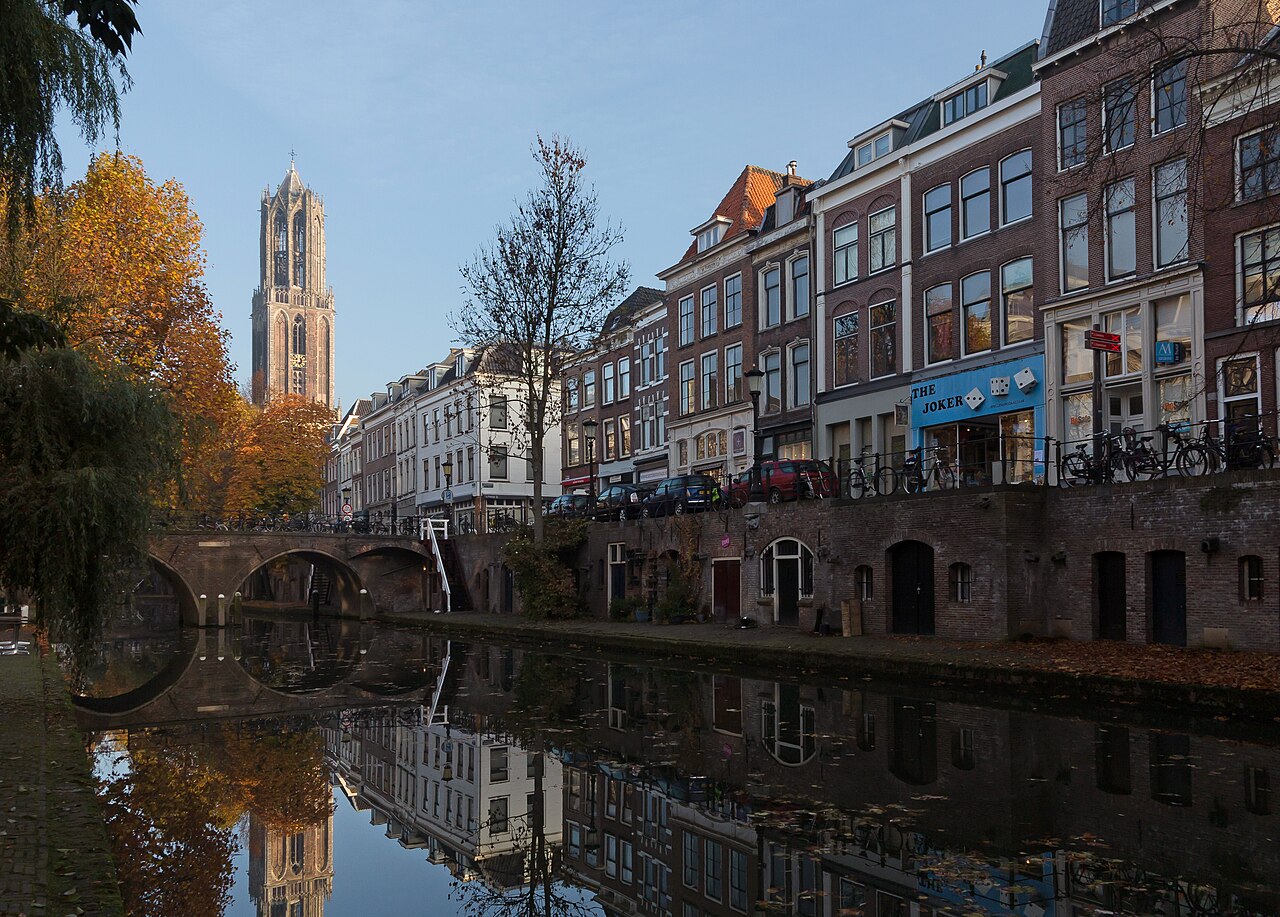
Apartments, Rooms, Studios and Houses for Rent in Utrecht
Everyone in the Netherlands seems to want to live in Utrecht, which is understandable and, if you are trying to rent here, deeply inconvenient. Wanting a home in this city is the easy part. Getting one before somebody faster does is the actual work.
This is a student city and a commuter hub at the same time, sitting in the dead centre of the Netherlands where every train line crosses. Utrecht University pulls in over 39,000 students, and HU University of Applied Sciences adds roughly another 35,000 on top, in a city of about 375,000 people. That means students hunt for rooms near the science park, internationals look for furnished studios, professionals compete for apartments a short train ride from Amsterdam, and families chase the small number of rental houses in a city everyone wants to live in.
Utrecht University does not sugar-coat it. The main student housing provider, SSH, has a Long Stay waiting time of roughly 40 to 46 months depending on location, which the university spells out plainly on its own SSH Long Stay page. Universities do not publish numbers like that for drama. Take the queue at face value.
AnyHouse helps you search faster. We scan 400+ rental platforms, send fast alerts when matching homes appear, help you track listings, and can help you apply to suitable rentals based on your preferences.
Utrecht in 30 seconds (TL;DR):
- Typical prices: room around €700/month, studio around €1,050, one-bedroom apartment around €1,600.
- Biggest red flag: a landlord who cannot do a viewing because they are “abroad” and wants a deposit before you have a key or contract.
- Second red flag: a listing where registration at the address is “not possible” - without it you cannot get a BSN or arrange the basics.
- Do this first: if you are a UU or HU student, register with SSH and check your university’s reserved-housing window the moment you are admitted.
- Then: set an alert for new listings so you see rooms within the hour, because the good ones rarely survive the day.
Fresh rentals in Utrecht
Listings matched to your location and budget


Current Utrecht Rental Market
Utrecht is one of the tightest rental markets in the Netherlands, and the reason is unusually specific: it is the most central city in the country, so it competes for renters with Amsterdam (about 25 minutes by intercity), Amersfoort (under 15 minutes) and half the Randstad at once. Demand comes from two large universities, international researchers, young professionals working across the region, couples and the occasional family. Supply barely moves, and the best listings are gone within hours of appearing.
Expect the published averages to contradict each other. One site tracks furnished mid-term rentals, another live private listings, a third rooms or agency inventory. HousingAnywhere, Pararius and Kamernet can all be “right” while quoting numbers hundreds of euros apart.
So use ranges. A room in Overvecht, a furnished studio near Utrecht Centraal, a one-bedroom apartment in Lombok and a family house in Leidsche Rijn are four separate markets with their own prices, competition and waiting behaviour. Blur them together and the averages will mislead you.
| Property type | Average rent | Typical range | Best for |
|---|---|---|---|
| Room | €700/month | €600-900/month | Students / budget renters |
| Studio | €1,050/month | €900-1,400/month | Solo renters / internationals |
| Apartment | €1,600/month | €1,250-2,400/month | Couples / professionals |
| House | €2,400/month | €1,900-3,500/month | Families |
These are market ranges gathered from public rental sources. For the most current figures, use the live AnyHouse Utrecht data on this page, which reflects what is actually available today rather than a blended historical average.
Utrecht usually sits just below Amsterdam on price and well above the national average. But cheaper alternatives are unusually close here. With Amsterdam roughly 25 minutes away by train and Amersfoort under 15, the whole region competes for the same renters, so commute time, registration, contract quality and transport links matter as much as the headline rent.
What Makes Utrecht Different: The Rules Behind the Shortage
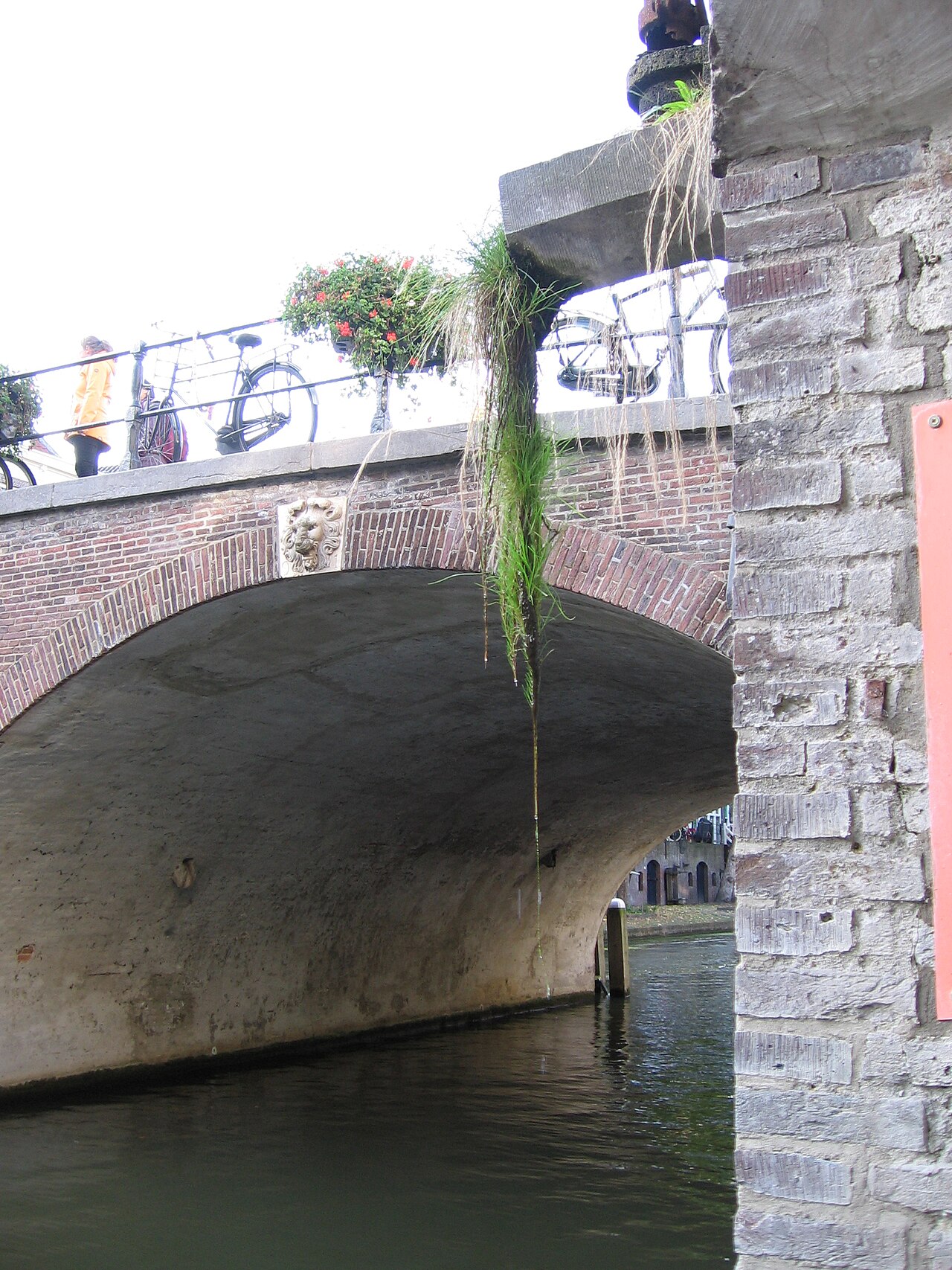
The easy version of this story is Utrecht is tight, good luck. The real version has more moving parts. Utrecht’s squeeze did not happen by accident. It is partly shaped by local policy and by a wave of new districts still under construction, and understanding that helps you search realistically instead of hopefully.
The room-conversion permit (omzettingsvergunning)
Utrecht actually has one of the more relaxed room-rental regimes in the country. Since 1 July 2023, you can rent out rooms to up to three people in a home without a conversion permit, a change the city made specifically to ease the housing shortage (DUB, Utrecht University’s independent news platform). Rent to four or more people, though, and the landlord needs both an environmental permit and a conversion permit, judged on space, soundproofing and neighbourhood impact. Easier than most cities, but not a free-for-all.
The SSH waiting list is longer than a degree
The Long Stay waiting time through SSH, Utrecht’s main student housing provider, runs to roughly 40 to 46 months depending on the location and time of year (Utrecht University). A Dutch bachelor’s degree takes three years; the queue is longer than the education. Register the moment you can, because the clock only counts the time you have been queuing.
Reserved housing has a calendar
Both universities run reserved-housing programmes with SSH for incoming international students, but access opens on a fixed schedule and rooms are booked in time slots that vanish quickly. Utrecht University’s housing pages and HU’s reserved housing page both explain the windows and the non-refundable service fees. If you are an incoming international student, these dates belong at the top of your to-do list the moment you are admitted, not the week you fly in.
Rooms come with an expiry date
Much of the student stock in Utrecht runs on campus-style contracts tied to your enrolment: finish studying, and you are expected to move on so the next student can move in. Worth knowing before you get attached to the address. The stock is built to cycle tenants through, not to let them settle.
The competition is not only students, it is the country’s biggest science park
Utrecht University explains part of the pressure, but Utrecht Science Park (the old De Uithof) adds an entire second layer of demand that a lot of renters underestimate. It is the largest science park in the Netherlands, with more than 31,000 employees and 55,000 students packed onto one campus, home to UMC Utrecht (roughly 12,000 staff, the region’s largest employer), the children’s hospital, the Prinses Máxima paediatric-oncology centre, and research institutes including RIVM, TNO and Deltares. That means a lot of hospital staff, PhD researchers and R&D employees are hunting the same one and two-bedroom apartments as graduating students, which is part of why that segment is so much tighter than the raw student-numbers would suggest.
New supply is coming, in enormous quantities
Utrecht is in the middle of one of the largest inner-city building programmes in the country, all clustered around Utrecht Centraal. The Beurskwartier, on the Jaarbeurs side of the station (next to Rabobank’s headquarters, one of the city’s largest private employers), is planned for around 3,000 homes. The Merwedekanaalzone, a former industrial strip just south of the centre, is set to add roughly 10,000 homes, its flagship Merwede district billed as the largest car-free inner-city neighbourhood in the country. Crucially for renters, city policy requires these big new districts to be 35% social rent and 25% mid-market/affordable, so a real share of the new stock will be price-regulated rather than free-sector. Further west, Leidsche Rijn continues to expand with modern family housing. None of it houses you today, but it maps where tomorrow’s best-connected stock will surface.
New to the Netherlands? Start Here (Students & Internationals)
If you are moving to Utrecht from abroad, the first obstacle is not the rent. It is a chicken-and-egg problem: you often need a registered address to get a BSN, you need a BSN to open a Dutch bank account and start work, and some landlords want to see a Dutch bank account and income before they will rent to you. A perfect loop. Here is how to cut it.
What you can actually do from abroad right now
More than you might think. You can register with SSH, sign up for your university’s reserved-housing programme, search and apply on the private market, and prepare your document pack (passport, proof of enrolment or employment, and a guarantor dossier if your income is thin or foreign). A BSN is not needed to start applying. The one step that must wait until you land is municipal registration, which has to happen in person.
No guarantor? You still have options
Dutch landlords usually want gross income of 3 to 4 times the rent, which most students and fresh arrivals do not have. Two common workarounds: a third-party guarantor service (a company that co-signs for a fee), or paying a few months of rent upfront, which is often the strongest card a foreign applicant holds. If a parent abroad acts as guarantor, prepare a clean dossier with translated payslips and bank statements so a landlord can actually check them.
Short-stay, semester contracts and subletting
Not every arrival needs a permanent home on day one. Short-stay accommodation (typically 1 to 6 months) works as a landing pad while you search. SSH also runs Short Stay alongside its Long Stay stock. Much of the student market runs on semester or campus-style contracts tied to enrolment. Subletting legally, with the main tenant’s and owner’s sign-off, can work too, provided the address still allows registration.
SSH, university and community channels
The channels students genuinely rely on are worth using properly: SSH and the UU and HU reserved-housing pages for official stock, the Erasmus Student Network (ESN) and university buddy or Facebook groups for rooms passed hand to hand, and word of mouth among course-mates. For shared rooms these channels often beat the portals outright. Their weakness is fragmentation: a room posted at noon in one group is claimed by six people while everyone else never saw it.
Paying a deposit safely and getting it back
Only ever transfer a deposit to the Dutch bank account of the actual owner or a recognised organisation, never by gift card or crypto, and only after a real viewing (in person or a genuine video call) and a signed contract. Deposits are usually 1 to 2 months’ rent. Take dated photos of every room when you move in and again when you move out. If a landlord refuses to return a fair deposit, the Huurcommissie is the official body you can turn to, and since the Affordable Rent Act a deposit is generally capped at two months’ rent and must be returned within 14 days of moving out.
Arriving without housing? A fallback plan
It happens. If you land without a room, short-stay providers, student hotels and hostels in Utrecht and nearby Amersfoort can bridge the first weeks while you keep searching. Plan for the possibility instead of hoping it away, because hunting for a room from a hostel bed on day two is how people fall for scams.
A simple time-sequenced checklist
- Now (from abroad): register with SSH, check your university’s reserved-housing window, set up alerts, and assemble your document pack and guarantor dossier.
- Before you fly: line up short-stay or a bridge booking if you have no permanent room yet, and confirm any contract allows municipal registration.
- First 5 days: book and attend your municipal registration appointment at Gemeente Utrecht (required within 5 days for stays over 4 months), which starts your BSN.
- First month: open a Dutch bank account, arrange health insurance, and switch utilities or confirm they are included. Remember first registration can take up to four weeks to process, so book the appointment early.
What it costs to move in
The upfront cost deserves as much planning as the monthly rent. For a typical €1,050 Utrecht studio, expect a deposit of one to two months (€1,050 to €2,100) plus the first month’s rent (€1,050), so roughly €2,100 to €3,150 to get through the door. Dutch law tightly limits what agencies may charge tenants, so a hefty “administration” fee is a red flag, not a routine cost.
Rooms, Studios, Apartments and Houses in Utrecht
Utrecht renters look for very different things depending on their stage of life: a student wants a cheap room near campus, an arriving researcher wants a furnished studio they can move straight into, a couple wants a one-bedroom apartment, and a family wants one of the scarce rental houses. The question that matters is not what you want but what your budget and timeline can actually land.
Rooms for Rent in Utrecht
For students, exchange visitors and anyone on a budget, a shared room is the realistic entry point in Utrecht, with the kitchen, bathroom or living room shared as standard. Every August the intake wave hits: tens of thousands of UU and HU starters compressing months of demand into a few weeks.
Room supply concentrates in specific areas: the science park edge and Oost near campus, plus Overvecht, Kanaleneiland and Zuilen for value. Confirm up front that you can register at the address. No registration means no BSN, and without a BSN the bank account, job and paperwork all stall; the law also expects you to register within five days of arriving from abroad.
Fresh rooms in Utrecht
Rooms matched to your location and budget
 Room
Room Room
Room Room
Room Room
Room Room
Room Room
Room Room
Room Room
RoomStudios for Rent in Utrecht
A studio in Utrecht is usually a self-contained rental with a private living and sleeping area, bathroom and kitchen. Studios attract solo renters, internationals, PhD candidates and better-funded students alike. Privacy without full-apartment rent is a popular idea, which makes studios some of the most contested listings in Utrecht. When a good one appears, assume half the city saw it too.
A furnished studio costs more upfront but spares you the hassle of buying everything yourself. An unfurnished or semi-furnished studio saves on rent but may hand you the bill for flooring, curtains and appliances instead. Huurtoeslag (rent benefit) may be relevant if you meet the income and asset rules. From 2026 the rules changed: the hard rent ceiling was scrapped, the benefit is calculated on rent up to about €932.93, and the qualifying age for full benefit dropped to 21, so always check the official Belastingdienst rent benefit page.
Fresh studios in Utrecht
Studios matched to your location and budget
 Studio
 Studio
 Studio
 Studio
 Studio
 Studio
 Studio
 Studio
Apartments and Houses for Rent in Utrecht
In Utrecht, apartments are where couples, professionals and small families end up competing hardest. A one-bedroom apartment is already competitive; two-bedroom apartments attract couples, sharers and relocation clients. Expat-oriented listings are usually furnished; semi-furnished generally covers flooring, curtains and kitchen appliances only.
Before comparing two listings, establish whether each price is bare, inclusive or exclusive. Bare rent (kale huur) excludes utilities and service costs. An inclusive rent might bundle in some costs, but almost never all of them. The kale-versus-inclusive difference can run to a few hundred euros a month, so read the definitions before comparing numbers.
Houses for rent in Utrecht are less common than apartments and tend to sit in outer neighbourhoods like Leidsche Rijn and Vleuten-De Meern, or in nearby towns. Expect family- and group-oriented stock, with the higher rent, utilities and income bar that comes with it.
Fresh apartments & houses in Utrecht
Apartments and houses matched to your location and budget
 Apartment
 Apartment
 Apartment
 Apartment
 Apartment
 House
House House
House Apartment
Best Areas in Utrecht for Renters

Utrecht is compact, but it is not one uniform market. A canal-house studio in the Binnenstad, a student room in Oost and a family house in Leidsche Rijn are different games entirely, with a four-figure monthly gap between the priciest and cheapest districts.
Binnenstad (Historic Centre)
Best for: renters who want Utrecht at its most photogenic and can pay for it.
Typical rentals: snug canal-house apartments, studios, the odd furnished gem.
Watch out for: premium prices well above €2,500 for the nicer units, small and characterful spaces, busy wharfs and cafe crowds.
Lovely to live in, brutal to budget for. Perfect if you want the Dom tower out the window and a canal wharf downstairs and have the budget to match, harder to justify on a strict budget.
Oost and Wittevrouwen
Best for: students near campus, plus couples and professionals who want charm.
Typical rentals: rooms, elegant older apartments, some family homes.
Watch out for: the posh streets around Wilhelminapark and the Maliebaan carry posh prices; rooms near the university go fast.
Oost has the stately avenues and parks, Wittevrouwen the village-like narrow streets, and both sit an easy cycle from the centre and the science park. This is where the student market and the professional market overlap, which also means competition.
Lombok-West
Best for: renters who want character, food and a short hop to the station.
Typical rentals: older terraced apartments, converted rooms, some studios.
Watch out for: smaller older housing stock, and gentrification has pushed decent apartments into the €1,500 to €2,100 range.
The multicultural heart of Utrecht, where Turkish bakeries and Surinamese toko’s sit next to trendy coffee bars along the Kanaalstraat. Walkable to Utrecht Centraal, which is exactly why everyone else likes it too.
Overvecht and Kanaleneiland
Best for: budget-conscious renters, students and internationals who want value.
Typical rentals: post-war high-rise apartments, studios, some rooms.
Watch out for: lower livability scores and less charm, but genuinely more affordable, with Overvecht rents starting around €1,300.
North and south-west of the centre, practical and well connected by tram and bus. Not the prettiest parts of Utrecht, but often where the maths actually works, and where a studio has the best odds of qualifying for huurtoeslag.
Leidsche Rijn
Best for: families and renters who want modern space over centrality.
Typical rentals: new-build apartments and houses with parking and gardens.
Watch out for: further from the historic centre; you will rely on the fast Randstadspoor train or a longer cycle.
A large, still-growing district west of the canal, planned and green and family-friendly. If your search is not glued to the centre, Leidsche Rijn offers the space and quiet the inner city simply cannot. It also reads as calmer on paper: AlleCijfers logs about 53 registered crimes per 1,000 residents here in 2025, against roughly 67 in Overvecht, part of why families cluster this side of the city. The family section further down works through the schools, the space a family rent actually buys, and the income maths that this choice turns on.
Nearby Alternatives: Amersfoort, Nieuwegein, Zeist, Houten and Bunnik
If Utrecht prices or availability are not cooperating, the beauty of this location is that you are sitting on the busiest rail junction in the country. From here, half the country is within commuting range before your coffee goes cold.
- Amersfoort - under 15 minutes by intercity, a proper town with more stock and lower average rents.
- Amsterdam - about 25 minutes by intercity, far more listings, useful if you work there but cannot afford there.
- Nieuwegein - directly south, connected by the SUNIJ fast-tram line, generally cheaper.
- Zeist - a leafy commuter town east of the city, well served by bus, popular with families.
- Houten and Bunnik - small, calm towns a few minutes south by sprinter, newer family homes for renters who want space.
Use NS for trains (Utrecht has several stations, including Utrecht Centraal, Vaartsche Rijn, Leidsche Rijn and Utrecht Science Park), the local tram and bus network for shorter hops, and 9292 to check any door-to-door journey before you commit to a listing. Twenty minutes on paper has a way of becoming forty in practice.
Renting as a Family / Relocating with Kids
Moving to Utrecht with children changes the search. Bedrooms, a school place and utility bills replace the questions a student search asks. Sort the school first: in practice the school place, not the listing, decides which side of the city you end up on.
Schools: register early, expect waiting lists
The best-known option is the International School Utrecht (ISU), a state-subsidised IB school teaching the full PYP-to-Diploma continuum (roughly ages 4 to 18) to around 1,100 students from 60-plus nationalities, currently based at Papendorp with a permanent campus planned at Utrecht Science Park for 2027. Because it is state-subsidised rather than commercial, tuition is modest by international-school standards: roughly €5,110 a year for primary and €6,410 to €7,370 for secondary in 2026/2027, plus a one-off €250 application fee and a refundable €750 deposit (International Schools Database). For families who want their children to build real Dutch alongside English, the Utrechtse Schoolvereniging (USV) runs a Dutch-English bilingual stream. And if you are settling for the long term, the default option costs nothing at all: a regular Dutch-language basisschool is state-funded and assigned largely by where you live, and a nieuwkomersklas is commonly on hand to help children who arrive without any Dutch. A few bilingual chains advertise a Utrecht location online without one actually existing yet, so confirm any bilingual school’s current campus directly with admissions rather than trusting an older list. Places are limited and waiting lists vary by year group, so apply early, ideally 6 to 12 months ahead.
Childcare and BSO basics
Under-fours go to daycare (dagopvang); school-age children move to out-of-school care (buitenschoolse opvang, or BSO), which typically covers ages 4 to 13 until around 18:30. Dutch primary schools must arrange BSO for any parent who requests it. If you and your partner both work or study, you can usually claim kinderopvangtoeslag (childcare allowance), which covers up to 230 hours per child per month; apply within three months of the first day or you lose the earlier months. See Government.nl on childcare benefit.
The all-in monthly cost
A family house is where the gap between bare rent and real monthly cost is widest. On top of bare rent you pay energy, water, internet, municipal taxes (gemeentelijke belastingen) and the water board levy, and a poor energy label can add a lot to heating a larger house. A worked example for a €2,400 Utrecht family house: roughly €250 to €400 a month for gas, electricity and water (more with a weak energy label), around €60 for internet, and local taxes that run to a few hundred euros a year. Budget closer to €2,800 all-in than the €2,400 on the listing, and ask for the energy label before you sign. The newer Leidsche Rijn homes tend to have better labels, which helps. Qualifying for it is its own hurdle: the 3-to-4-times-rent income test in the documents section below is worked for a €1,600 apartment, but a €2,400 house pushes that to roughly €7,200 to €9,600 gross a month, usually only reachable on two combined incomes.
Aim for a long-term contract
Good news for families: since the Fixed Rental Contracts Act (Wet vaste huurcontracten) took effect on 1 July 2024, an indefinite (onbepaalde tijd) contract is again the default for self-contained homes, and most rolling temporary tenancies were abolished. That is a real improvement in security compared with a few years back. Check that your contract is genuinely indefinite rather than one of the narrow remaining temporary exceptions, so you are not asked to move again in a year.
Where the 3+ bedroom stock actually is
Larger rental houses barely exist in the historic centre and cluster in the newer western districts: Leidsche Rijn and Vleuten-De Meern, where much of the modern family stock with gardens and parking sits, plus commuter towns like Houten, Nieuwegein and Zeist. To put a real number on the space you are buying: around €2,500 a month in Leidsche Rijn or neighbouring Vleuten typically lands a three-bedroom terraced house of roughly 120 to 160 m2 with a private garden, floor area that is essentially impossible to find at that rent inside the ring. If you need three or more bedrooms, point your search west and out from the start rather than fighting over the handful of central options.
Bridge housing for the first weeks
The right house near the right school rarely appears exactly when you need it. Many relocating families book short-stay or serviced accommodation for the first few weeks, register the family, settle the school place, then move into the permanent home once it is found. Pricier per night, but far cheaper than a year in the wrong house.
What You Need to Rent in Utrecht
Sort your documents before you start applying. Utrecht landlords shortlist from the first complete applications, and incomplete ones rarely get a second look.
Documents Landlords Usually Ask For
- Valid ID or passport
- Proof of income
- Employment contract or recent payslips
- Bank statements, sometimes
- Proof of enrollment, for students
- Guarantor details, if your income is low or foreign
- BSN, if already available
- Short personal introduction
- Preferred move-in date and household details
- Pet information, if relevant
Income, Deposit and Contract Basics
Many landlords expect gross income around 3 to 4 times the monthly rent, though this varies by agency and property. A €1,600 apartment can therefore require roughly €4,800 to €6,400 gross monthly household income. Student and shared rentals may accept a guarantor instead. Deposits are usually 1 to 2 months’ rent.
The Government.nl rented housing pages explain the basics of Dutch rental rules, including rent, tenancy agreements, maintenance and service charges. For rent disputes, the Huurcommissie is the official Dutch rent tribunal. Before signing, check:
- Is the contract written?
- Is the rent bare, inclusive or exclusive?
- Are service costs clear?
- Can you register at the address?
- Is the deposit reasonable?
- Who is responsible for utilities?
- Are there agency or administration fees?
Registration in Utrecht
If you move to Utrecht from abroad for more than four months, you must register with the municipality, and you are expected to do so within five days of arrival. Gemeente Utrecht’s Registering from abroad page explains that you book an appointment and bring a valid ID for each person, proof that you are allowed to live in the Netherlands, and your rental contract or an authorisation-for-lodging form from the main resident. A signed contract for a future move-in date is usually accepted, so you can book the appointment before you have physically moved in. First registration is also how you receive your BSN, which you need to work, open a bank account and take out health insurance. It can take up to four weeks to process, and appointments can be scarce, so book early.
Treat any listing that rules out registration as suspect. Add pressure tactics, a vague landlord, odd payment methods or a refused viewing, and you are looking at a textbook scam setup.
Rental Scams: The Familiar Pattern
Utrecht’s student and international market is a favourite target for rental fraud, and both universities warn incoming students about it. The script rarely changes: an unusually attractive listing, an owner who happens to be abroad and cannot show the place, a deposit requested before any contract or keys, then nothing. Never pay by gift card or crypto, only transfer to a Dutch bank account of the actual owner or organisation, and if a “for rent” property also appears “for sale” on Funda, walk away.
The WWS Points Check: Utrecht Rents Have a Legal Ceiling
In a market where every listing gets a queue, some landlords price above what the law actually allows, and most tenants never think to check. A large share of Dutch homes have a legally capped maximum rent, and the number on the listing is not automatically the number you owe.
That cap is set by the woningwaarderingsstelsel (WWS), which scores a home on floor area, facilities, energy label and other features. The Affordable Rent Act (Wet betaalbare huur) of July 2024 widened the regulated band, so a surprising slice of mid-priced Utrecht apartments now falls under a legal maximum.
Before you sign, put the address into the official Huurcommissie Huurprijscheck to see the maximum legal rent for that exact home. Asking rent higher than the cap? You can sign anyway and then have the Huurcommissie, the national rent tribunal, lower it, generally within the first months of the tenancy. Fierce demand does not suspend the law.
How to Find Rentals in Utrecht Faster
Utrecht renters end up juggling the same channels: Pararius and Kamernet, SSH and the university reserved-housing pages, agency mailing lists, plus the ESN and Facebook groups where rooms change hands fastest. Every one of those channels works. Watching all of them at once, all day, is the part that does not scale.
Why Manual Search Breaks Down
- You check too many platforms by hand
- You see listings too late
- You rewrite the same message over and over
- You miss listings while working, studying or sleeping
- You lose track of where you applied
- Every listing you like has hundreds of other watchers
- You waste time on listings outside your budget
Utrecht rewards speed and preparation more than almost anywhere, because two big universities and half the Randstad are chasing the same homes. A decent room draws its full set of replies within the hour of going live. By the time you sit down to browse in the evening, the day’s best listings are long gone.
Faster Search with AnyHouse
AnyHouse helps you search faster by combining broader coverage, alerts and application workflow in one place. With AnyHouse you can:
- Scan 400+ rental platforms
- Set your Utrecht preferences once
- Get fast alerts when matching homes appear
- Track listings and applications
- Use AI-assisted applications
- Auto-apply to suitable homes based on your criteria
- Search rooms, studios, apartments and houses from one flow
No app can guarantee housing, and you should be wary of anything that claims otherwise. What a tool can honestly do is give you speed, coverage and a single place to stay organised, so you see the right listing in its first hour, not its fortieth.
Fresh rentals in Utrecht
Listings matched to your location and budget
ApartmentApartmentApartmentApartmentApartmentHouseHouseApartmentYour next Utrecht rental might appear today.
AnyHouse helps you see it faster.
Get instant rental alerts in Utrecht
Utrecht Rental FAQ
How much does it cost to rent in Utrecht?
Rent depends on property type, area, furnishing and contract style. As a guide: rooms average around €700, studios around €1,050 and apartments around €1,600 per month, with wide ranges either side. Use live AnyHouse data for the most current market prices, since public sources track different rental stock and show different averages.
Is it hard to find housing in Utrecht?
Yes, and more so than most Dutch cities. Two large universities and a prime central location put constant pressure on supply, and the SSH student housing Long Stay waiting time runs to roughly 40 to 46 months. Speed and preparation are everything.
What income do I need to rent in Utrecht?
Many landlords expect gross income around 3 to 4 times the monthly rent, although requirements vary. A €1,600 rental may require roughly €4,800 to €6,400 gross monthly household income. Student and shared rentals may accept a guarantor.
What documents do I need to rent in Utrecht?
Usually ID, proof of income, an employment contract or payslips, and sometimes bank statements. Students may need proof of enrollment. Internationals may need residence documentation, employer details and confirmation that registration at the address is possible.
What are the best areas for students in Utrecht?
Oost and Wittevrouwen near the university are the classic choices, followed by Overvecht, Kanaleneiland and Zuilen for value, plus rooms near the Utrecht Science Park. Which is best depends on your campus, your budget and the type of home you are after.
Which neighbourhoods work best for professionals and families?
Professionals and couples often look at the Binnenstad, Oost, Wittevrouwen and Lombok, or commute in from Amersfoort or Amsterdam. Families lean toward Leidsche Rijn and Vleuten-De Meern for space, gardens and schools.
Should I wait for SSH or search privately?
Both. Register with SSH and use your university’s reserved-housing programme as early as possible, but do not rely on it alone given the waiting times. Run a private-market search at the same time, with short-stay housing as your bridge if needed.
Can I live outside Utrecht and commute?
Easily. Amersfoort is under 15 minutes by train, Amsterdam about 25, and Nieuwegein, Zeist, Houten and Bunnik sit a short hop away. If Utrecht itself is not delivering, widening your search to the surrounding towns often finds a home faster.
What is the fastest way to find rentals in Utrecht?
Use alerts, prepare your documents, respond within minutes and track every application. AnyHouse scans 400+ platforms and sends fast alerts when matching homes appear, so you are not refreshing rental websites all day while the good listings go to someone quicker.
Start Your Utrecht Rental Search
Now you know the real map: Utrecht is student-driven and centrally located, prices vary by area, the SSH queue is measured in years, huge new districts are on the way, scams target newcomers, and speed is a genuine advantage.
Knowing all this is the easy half. The hard half is seeing the right listing early enough and applying before the queue becomes absurd. AnyHouse helps you stop refreshing rental websites by hand: set your preferences, get alerts, track applications and search across rooms, studios, apartments and houses from one place.
Fresh rentals in Utrecht
Listings matched to your location and budget
 ApartmentRoom
 ApartmentRoom
 Apartment
 ApartmentStudioRoom
Free to install · iOS & Android · 400+ platforms · Fast alerts · AI-powered applications
Rental Guides for Other Dutch Cities
House-hunting beyond Utrecht? AnyHouse has in-depth rental guides for cities across the Netherlands:
- Amsterdam
- Rotterdam
- The Hague
- Delft
- Leiden
- Almere
- Breda
- Tilburg
- Den Bosch
- Arnhem
- Maastricht
- Eindhoven
- Groningen
- Haarlem
- Leeuwarden
- Enschede
- Egmond aan Zee
- Nijmegen
- Zwolle
- Amersfoort